How Port Diversification Is Changing Import Strategies for US Businesses
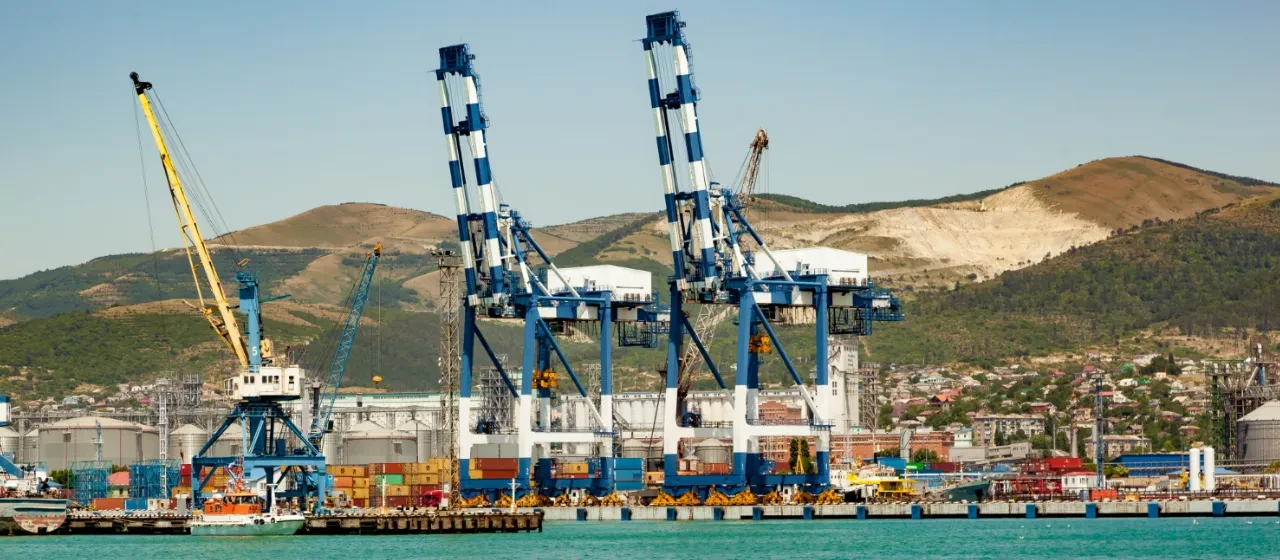
For decades, US import strategies were heavily concentrated around a few dominant gateways, Los Angeles, Long Beach, and New York/New Jersey. These ports offered unmatched scale, established carrier networks, and strong inland connectivity. However, recent disruptions, including pandemic-era vessel backlogs, labor contract uncertainties, extreme weather events, and infrastructure strain, have exposed the operational risks of relying too heavily on a single port. As a result, port diversification has shifted from a reactive contingency measure to a proactive, long-term supply chain strategy.
Risk mitigation is the primary driver behind this shift. When cargo flows are concentrated through one gateway, any disruption, whether labor slowdowns, terminal congestion, or weather-related closures, can halt inland distribution. By distributing shipments across multiple ports such as Savannah, Houston, Charleston, Norfolk, and Seattle-Tacoma, importers create redundancy within their supply chains. This reduces dependency on any single gateway and ensures that cargo can continue moving even if one port faces operational constraints. For industries with tight inventory cycles, such as retail, automotive, and manufacturing, this flexibility is critical to maintaining continuity.
Port diversification also allows importers to optimize inland logistics efficiency. Ports closer to final consumption or distribution regions can significantly reduce drayage and long-haul trucking costs. For example, East Coast and Gulf Coast ports provide more direct access to rapidly growing population centers and distribution hubs in the Southeast and Midwest. This reduces reliance on cross-country rail movement from West Coast ports, lowering both transit time variability and inland transportation expenses.
Infrastructure investment across alternative ports has further accelerated diversification. Ports like Savannah and Houston have expanded container terminals, deepened channels to accommodate larger vessels, and improved on-dock rail connectivity. These upgrades increase throughput capacity while enabling faster container transfers to inland destinations. Improved rail access, in particular, allows importers to move cargo efficiently to inland hubs such as Atlanta, Dallas, and Memphis without overloading regional trucking networks.
Carrier network strategies are also influencing port diversification. Ocean carriers are expanding direct service routes to secondary ports to reduce congestion and improve schedule reliability. Instead of concentrating vessel calls at a few major gateways, carriers are distributing capacity across a broader port network. This gives importers more routing options and reduces the risk of delays caused by vessel bunching or terminal overcrowding.
Additionally, port diversification strengthens negotiating leverage and operational flexibility. Importers working across multiple ports can adjust routing based on changing freight rates, port performance, or inland capacity availability. This flexibility allows logistics teams to respond more effectively to seasonal demand fluctuations, infrastructure constraints, or unexpected disruptions.
Technology and data visibility play a key role in making diversification viable. Transportation management systems, predictive transit data, and real-time tracking tools enable logistics teams to compare port performance, monitor dwell times, and make informed routing decisions. This allows importers to balance cost, speed, and reliability across multiple gateways without sacrificing operational control.
Ultimately, port diversification reflects a broader shift in how US businesses approach supply chain design. Instead of optimizing solely for lowest-cost ocean freight or established routing patterns, importers are prioritizing resilience, flexibility, and long-term stability. By building multi-port entry strategies supported by strong inland logistics planning and carrier partnerships, US businesses are better equipped to manage disruption, control costs, and maintain consistent cargo flow in an increasingly complex global trade environment.